Why am I even writing this? Why do I have to sign in and type these words until my finger muscles go fatigued when I just ditch this and go watch TV? What motivated me?
It's a long story (but not really). I am student of an international school. This blog is a portion of my social class and counted as a major grade that significantly determine whether I pass or fail. Now that is motivation!
I make myself look like a carefree student who come to class everyday just to sit in a corner and watch Youtube all day, right?
"That student" is "motivated" and probably struggling to get this blog out to save his grade. What is the nature of motivation anyway? "Motivation" is an external force or eternal force that causes people to behave in a certain way, such as getting a lazy student's butt on a chair and making him write a blog about motivation.
There are many theories about motivation, such as Maslow's Hierarchy Theory, Herzberg Theory, Alderfer's ERG Theory, etc. These theories are different, and each has its own flaws. However, in general, these theories state that motivation is generated from the desire of satisfaction and avoidance of punishment.
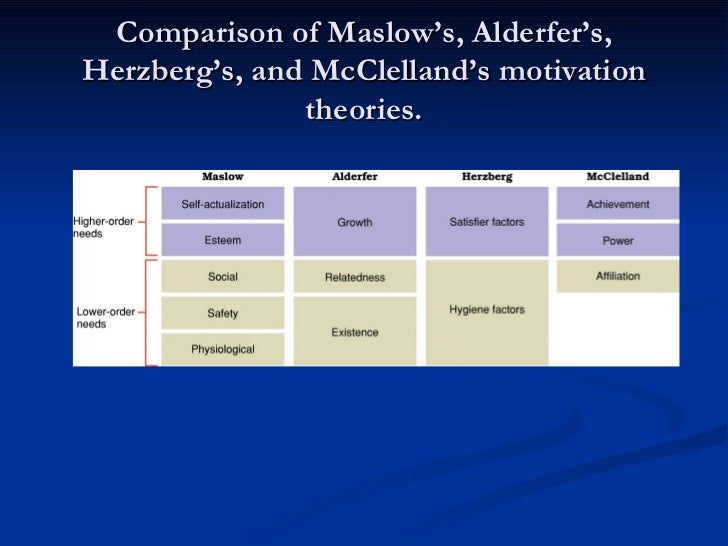
There are some exception to these theories. One of them is the ascetic's lifestyle of the monks. They keep the lower-order needs at minimum level and strive for higher-order needs.
There are issues around the world that can be analyzed based on the principles of motivation.
The first issue is ignorance. Understanding problems about the world is very important. However, having enough food is even more important. Take people in Africa for example: Because they are poor, they give their 100% effort to find food for survival, so there is no time left for "self-actualization". Who care about pollution if you have no food to eat? Who care about energy conservation if you have no water to drink? Solving for physical need, we solve the ignorance.
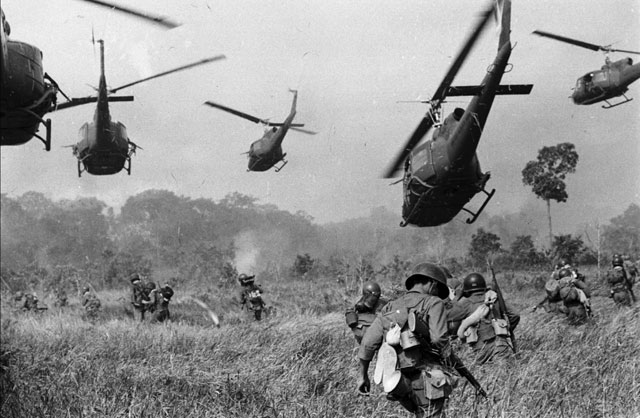
The second issue is war. People fight each other for reasons. No matter how beautiful people describe those reasons to be, those reasons are simple, food and power. Rich nations start war for power and resources. Poor people stand up fight against the emperor for prosperity. If people have what they NEED, will war still happen? Yes, they fight for what they WANT. There is always motivation to start a war. Greed is unlimited.
The third issue is about motivation itself. When people have everything, they stay satisfied and don't work for better things. For example, money spoils children. Kids born in rich families have the tendency toward entertainment rather than education. They are easier to get spoiled than are poor kids. They are seduced and distracted by so many things. They lack motivation to become a better person. As a result, they end up in failure.The solution for this is self-motivation. Things around us always change, and we have no control. The only thing we can control is our mind. Mentally pushing ourselves forward is a great way to keep moving forward.
Motivation is both good and bad, depending on different situations. It is each person's jobs to suppress the bad motivation and enhance the good one. About the "Youtube" student, he probably needs to stay motivated. *Here comes the evil smile*
Friday, May 22, 2015
Pollution
Pollution is the presence of poisonous substance. There are many types of pollution. This blog will primarily focus on air, water, and light pollution.
Air pollution is the presence of solid and gas particles that are harmful to organisms inhabiting. Pollutants come from car, factories, and agriculture. Air pollution increases chance of health problems (such as lung and hearth diseases), foster global warming, depletes ozone layer, and destroying habitat. Solutions to air pollution may include use public transportation, emphasize clean energy sources, and conserve energy.
Water pollution is the presence of substances and objects that contaminate water bodies. Caused by sewage, industrial waste, and radioactive leakage, water pollution affects human health and the whole ecosystem. Water pollution can be eased by not dumping trash into water and using environment-friendly cleaning technology.
Light pollution is the presence of excessive or misdirected artificial light. Light pollution disrupts ecosystem, harms many species including human, and wastes energy. Light pollution can be reduced by using right amount of light at the right place and time, using energy efficient bulbs, and shielding lights properly.
Pollution is very serious and need to be solved!
Air pollution is the presence of solid and gas particles that are harmful to organisms inhabiting. Pollutants come from car, factories, and agriculture. Air pollution increases chance of health problems (such as lung and hearth diseases), foster global warming, depletes ozone layer, and destroying habitat. Solutions to air pollution may include use public transportation, emphasize clean energy sources, and conserve energy.
Water pollution is the presence of substances and objects that contaminate water bodies. Caused by sewage, industrial waste, and radioactive leakage, water pollution affects human health and the whole ecosystem. Water pollution can be eased by not dumping trash into water and using environment-friendly cleaning technology.
Light pollution is the presence of excessive or misdirected artificial light. Light pollution disrupts ecosystem, harms many species including human, and wastes energy. Light pollution can be reduced by using right amount of light at the right place and time, using energy efficient bulbs, and shielding lights properly.
Pollution is very serious and need to be solved!
Thursday, May 7, 2015
Challenges in 21st Century
We're living in a world that is a lot better than the world of 50, 100, or 1000 years ago. Development of technologies, policies, perspective, etc. has changed our lives dramatically. It's "development", so our lives are supposed to be better, aren't they?
Well, we have less diseases, due to the development of medicine. Our lives are more convenient, due to the development of transportation, communication, etc. But, are our lives really better? The more we have, the more we are tired to. Everyday, we are worried about a lot of things. Money, family, relationship, respect, etc. You name it! Our internal selves is the same as those in 17th century, or even further in the past. We are scared of what we don't know, desirous of what we don't have, and worried of what we have. Every second, our mind is fully of thoughts, either positive or negative.
So how can we free ourselves from those things? Can we just through everything and live in a forest like ancient people? Then we still have to worried about food, safety, etc.
Since there is always danger from the external environment, the answer is actually inside. MEDITATION. It's a way that we can refresh our mind from our problems.
Live a happy life!
Well, we have less diseases, due to the development of medicine. Our lives are more convenient, due to the development of transportation, communication, etc. But, are our lives really better? The more we have, the more we are tired to. Everyday, we are worried about a lot of things. Money, family, relationship, respect, etc. You name it! Our internal selves is the same as those in 17th century, or even further in the past. We are scared of what we don't know, desirous of what we don't have, and worried of what we have. Every second, our mind is fully of thoughts, either positive or negative.
Since there is always danger from the external environment, the answer is actually inside. MEDITATION. It's a way that we can refresh our mind from our problems.
Live a happy life!
Sunday, May 3, 2015
Biodiversity
What is biodiversity? Let's analyze the word itself. "Bio" means life, creature, or organisms. "Diversity" means variety, or the state of being different. Together, "biodiversity" is the variety of life, or organisms.
The definition of "life" is quite vague and depends on different perspective. Through the lense of biology, "life" has these following characteristics:
- Organisms are composed of cells, the smallest units of life.
- Living organims have to use energy.
- Living organims can grow and reproduce.
- Living organims respond to stimuli and adapt to enviroment.
With these characteristics, organisms are divided into deeper levels (Genetic Biodiversity)
The first group is Prokaryotes (cells that do not have nucleus or membrane-bounded organelles). This group consists of 2 domains, Bacteria and Archea.
The second group is Eukaryotes (cells that have one or more nucleus and membrane-bounded organelles). This group has a domain called Eukarya.
Eukarya is further divided into smaller phyla based on biodiversity.
The first phylum is Fungi, consists of organisms such as molds, mushrooms, etc.
The second phylum is Plantae, consists of plants. Plantae is further divided into Bryophyte, Seedless Plants, Gymnosperm, and Angiosperm.
The third phylum is Animalia, including animals. Animalia is divided into Poferia, Cnidaria, Ctenophora, Platyhelminthes, Annelida, Mollusca, Anthropoda, Nematoda, Echinodermata, and Chordata.
The fourth phylum is Protista, which is the trash bin of Taxonomy, home of organisms that do not belong to Fungi, Plantae, or Animalia.
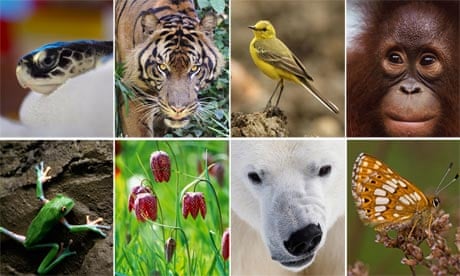
Biodiversity does not just appear on Taxonomy but also appear based on geography. In different locations with different characteristics, there are different organisms living (Ecological Biodiversity). For example, in desert, animals (such as caracal, ostrich) and plants (such as cactus) have to develop physical charactistic to prevent water loss and survive in harsh dry conditions. Meanwhile, arctic animals (such as arctic wolf and polar bear) develop thick coat of skin and fur to fight against the coldness. This is called adaptation.
Biodiversity plays an important role in survival of organims, including humans. Like a chain of life, if one or many species extinct, other species, directly or indirectly dependent on those species, will be affected, throwing nature out of balance. For example, snakes eat rats. If humans kill all the snakes, rats will be allowed to reproduce without being eaten. Rats will eat other smaller organisms, forcing that those organisms to extinction.
Biodiversity is bio (life) itself!
The definition of "life" is quite vague and depends on different perspective. Through the lense of biology, "life" has these following characteristics:
- Organisms are composed of cells, the smallest units of life.
- Living organims have to use energy.
- Living organims can grow and reproduce.
- Living organims respond to stimuli and adapt to enviroment.
With these characteristics, organisms are divided into deeper levels (Genetic Biodiversity)
The first group is Prokaryotes (cells that do not have nucleus or membrane-bounded organelles). This group consists of 2 domains, Bacteria and Archea.
The second group is Eukaryotes (cells that have one or more nucleus and membrane-bounded organelles). This group has a domain called Eukarya.
Eukarya is further divided into smaller phyla based on biodiversity.
The first phylum is Fungi, consists of organisms such as molds, mushrooms, etc.
The second phylum is Plantae, consists of plants. Plantae is further divided into Bryophyte, Seedless Plants, Gymnosperm, and Angiosperm.
The third phylum is Animalia, including animals. Animalia is divided into Poferia, Cnidaria, Ctenophora, Platyhelminthes, Annelida, Mollusca, Anthropoda, Nematoda, Echinodermata, and Chordata.
The fourth phylum is Protista, which is the trash bin of Taxonomy, home of organisms that do not belong to Fungi, Plantae, or Animalia.
Biodiversity does not just appear on Taxonomy but also appear based on geography. In different locations with different characteristics, there are different organisms living (Ecological Biodiversity). For example, in desert, animals (such as caracal, ostrich) and plants (such as cactus) have to develop physical charactistic to prevent water loss and survive in harsh dry conditions. Meanwhile, arctic animals (such as arctic wolf and polar bear) develop thick coat of skin and fur to fight against the coldness. This is called adaptation.
Biodiversity plays an important role in survival of organims, including humans. Like a chain of life, if one or many species extinct, other species, directly or indirectly dependent on those species, will be affected, throwing nature out of balance. For example, snakes eat rats. If humans kill all the snakes, rats will be allowed to reproduce without being eaten. Rats will eat other smaller organisms, forcing that those organisms to extinction.
Biodiversity is bio (life) itself!
Monday, April 20, 2015
G7
"Group of Seven" (G7) is a group of ministers and governors from economically advanced countries, including Canada, France, Germany, Italy, Japan, United Kingdoms, and United States.
G7 was originally G6 ("Group of Six). Founded in 1975, G6 consisted of France, Germany, Italy, Japan, United Kingdoms, and United States. In 1976, Canada became the seventh member. Later, in 1998, under term of President Yeltsin, Russia joined the group, which changed into "Group of Eight" (G8). In 2014, because of the annexation of Crimea, Russia was forced to leave G8, which now becomes G7 again.
G7 functions following key principles of freedom and human rights, democracy and the rule of law, prosperity and sustainable development.
G7/G8 tries to solve problems of Africa (debt relief, humanitarian, and fighting malaria), climate (green energy - nuclear energy), Peace in Middle East, Counter-terrorism, Nonproliferation, Trading, Global Economy and Oil, etc.
Is G7/G8 even necessary? Should the world economy rely on strongest countries' economies? When specific countries leading the whole world, there will be unfairness, to some degree. Leaders will try to make their countries stronger and more stable. However, if no one leads the world economy, countries follow their own rules, there will be chaos. Putting pros and cons on scale, I, personally, prefer the presence of G7/G8.
There is information about China and India joining G7/G8. There are both good side and bad side. While developing countries joining G7/G8 will make G7/G8 decisions for objective, too many members will also cause controversy.
G7 was originally G6 ("Group of Six). Founded in 1975, G6 consisted of France, Germany, Italy, Japan, United Kingdoms, and United States. In 1976, Canada became the seventh member. Later, in 1998, under term of President Yeltsin, Russia joined the group, which changed into "Group of Eight" (G8). In 2014, because of the annexation of Crimea, Russia was forced to leave G8, which now becomes G7 again.
G7 functions following key principles of freedom and human rights, democracy and the rule of law, prosperity and sustainable development.
G7/G8 tries to solve problems of Africa (debt relief, humanitarian, and fighting malaria), climate (green energy - nuclear energy), Peace in Middle East, Counter-terrorism, Nonproliferation, Trading, Global Economy and Oil, etc.
Is G7/G8 even necessary? Should the world economy rely on strongest countries' economies? When specific countries leading the whole world, there will be unfairness, to some degree. Leaders will try to make their countries stronger and more stable. However, if no one leads the world economy, countries follow their own rules, there will be chaos. Putting pros and cons on scale, I, personally, prefer the presence of G7/G8.
There is information about China and India joining G7/G8. There are both good side and bad side. While developing countries joining G7/G8 will make G7/G8 decisions for objective, too many members will also cause controversy.
Thursday, April 16, 2015
Nuclear Energy
World energy need is getting serious right now. When widely used energy sources like coal or fossil fuel are no longer sustainable, people turn to another source - Nuclear energy.
Nuclear energy is the energy produced during nuclear fission or fusion, coming from uranium.
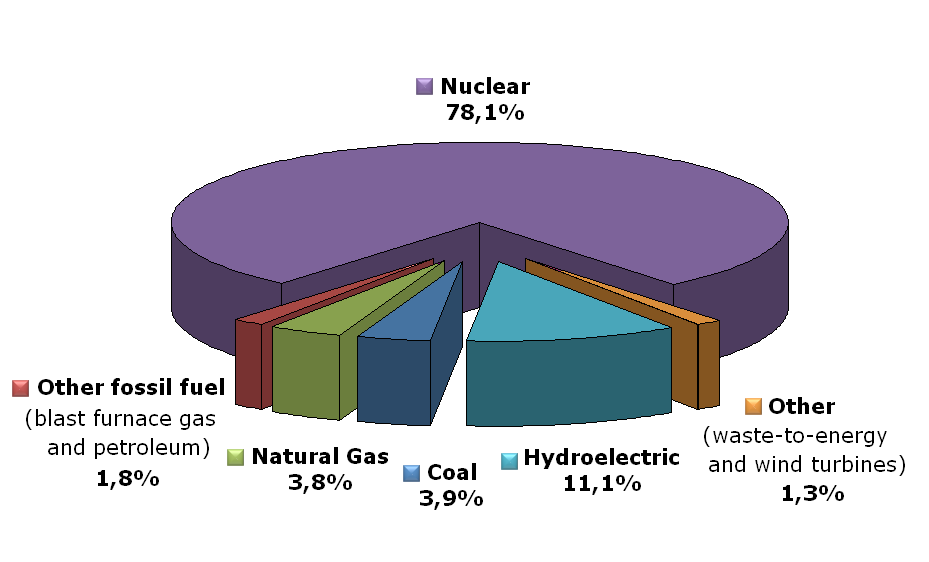
Because of the characristics of nuclear energy production, no carbon dioxide is released, and a lot of energy is produced.
| Nuclear energy production compared to other sources |
However, there are always to sides of a coin. Nuclear energy production costs a lot of money. Uranium is very hard to find, also takes thousands years to return to neutral state. There are also known and unknown risks of radiation.
Let's take Japan for example. Nuclear plants provides a lot of energy for the country and reduces air pollution. However, in March 2011, following huge earthquake, a tsunami destroyed Fukushima Daiichi reactors. Harmful radioactive chemicals were released to environment. Area around reactors were seriously contaminated. Are the risks worth the benefits?

Personally, I think we should keep using conventional energy sources until technology provides a better way to store and process nuclear waste. It's a long run...
Tuesday, April 7, 2015
Clean Water
Humans, like any other living animals, have essential needs to survive. One of the most important needs is drinking water. How clean must be drinking water be? How clean must water be in order to be consumed safely by human? There is no definite solution for "clean water". Therefore, the only way to define "clean water" is by defining "unclean water".
"Unclean water" or polluted water is water that contains contaminants, including chemicals, particles, and bacteria. Polluted water is not safe for cooking, drinking, cleaning, bathing, and other daily uses. Polluted is not just simply dirty, but it is deadly. Polluted water does not only affect humans, but also harm other organism. First, polluted water poisons aquatic animals and terrestrial ones, including human, that drink polluted water. Once the smaller species at the base of the food chain are affected, the whole food chain is disrupted. Disruption with food will lead diseases in human eventually. Sooner or later, humans will become victims of our own actions.
We, intentionally or unintentionally, cause water pollution and scarcity of clean water through sewage, septic tanks, waste dumping, underground and on-water leakage, industrial production, etc.
As a result of global warming, the need of clean water is critical. For example, a serious drought has been in California since 2011. Area of clean water has been decreasing significantly. (Photo) Beside trying to save water as much as possible with regulation and police force, people in California are finding another supplies. They use a desalination facility to turn seawater into drinking water (Source).
However, desalination alone is not the solution because it is so expensive. There must be other long-term acts:
- Educate to change consumption and lifestyle.
- Recycle waste water appropriately.
- Improve irrigation and agricultural practices.
- Address pollution.
Save water. Save future.
"Unclean water" or polluted water is water that contains contaminants, including chemicals, particles, and bacteria. Polluted water is not safe for cooking, drinking, cleaning, bathing, and other daily uses. Polluted is not just simply dirty, but it is deadly. Polluted water does not only affect humans, but also harm other organism. First, polluted water poisons aquatic animals and terrestrial ones, including human, that drink polluted water. Once the smaller species at the base of the food chain are affected, the whole food chain is disrupted. Disruption with food will lead diseases in human eventually. Sooner or later, humans will become victims of our own actions.
We, intentionally or unintentionally, cause water pollution and scarcity of clean water through sewage, septic tanks, waste dumping, underground and on-water leakage, industrial production, etc.
As a result of global warming, the need of clean water is critical. For example, a serious drought has been in California since 2011. Area of clean water has been decreasing significantly. (Photo) Beside trying to save water as much as possible with regulation and police force, people in California are finding another supplies. They use a desalination facility to turn seawater into drinking water (Source).
However, desalination alone is not the solution because it is so expensive. There must be other long-term acts:
- Educate to change consumption and lifestyle.
- Recycle waste water appropriately.
- Improve irrigation and agricultural practices.
- Address pollution.
Save water. Save future.
Subscribe to:
Posts (Atom)